
Debunking Common Jewellery Myths: What You Need to Know


Introduction to Jewellery Myths
Jewellery has been an integral part of human culture for centuries, yet many myths and misconceptions persist. From beliefs about gemstones to the value of certain metals, misinformation can influence purchasing decisions. Let's explore and debunk some of these common myths.

Myth 1: Pure Gold is the Best
A common misconception is that pure gold, or 24-karat gold, is the best choice for all jewellery. While it's true that pure gold is highly valued, it is also very soft and can easily be scratched or bent. For this reason, gold is often alloyed with other metals to increase its strength and durability.
When purchasing gold jewellery, consider the intended use. For everyday wear, 14-karat or 18-karat gold offers a balance of beauty and resilience.
Myth 2: Diamonds are Unbreakable
It’s often said that diamonds are indestructible. While they are indeed the hardest natural substance, they can still chip or crack if struck with enough force. Understanding this can help in taking better care of diamond jewellery.
Regular maintenance, such as checking the settings, can ensure that your diamonds remain secure and undamaged.
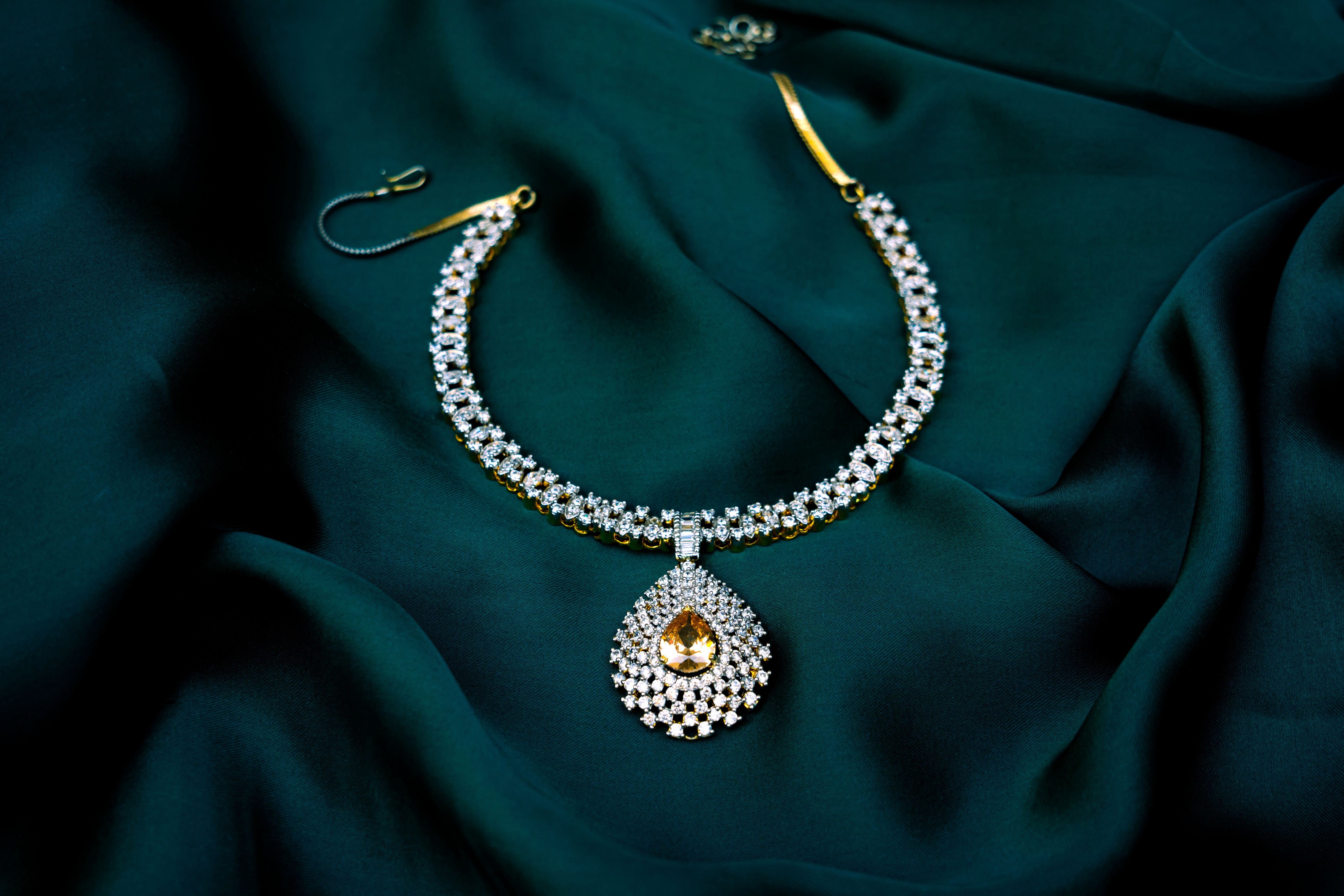
Myth 3: Silver is Inferior to Gold
Silver is sometimes thought of as less desirable than gold, but this is far from the truth. Silver has its own unique appeal and is a highly versatile metal. It’s also more affordable than gold, making it accessible for a wider range of styles and budgets.
Whether it's sterling silver or another alloy, silver jewellery can offer elegance and style for various occasions.
Myth 4: Pearls Require No Special Care
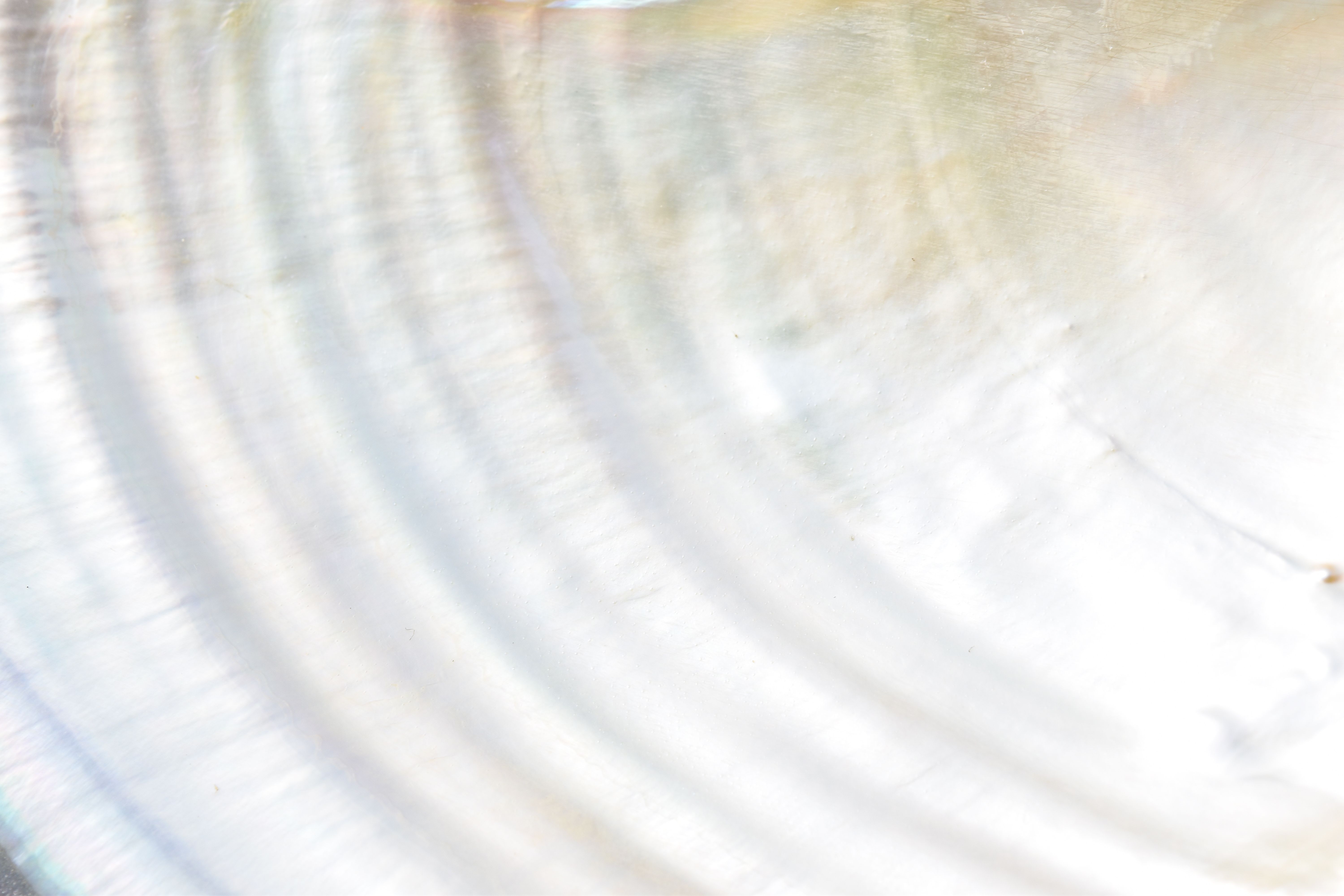
Pearls are often believed to be low-maintenance, but they require specific care to maintain their luster. Being organic gemstones, pearls can be damaged by chemicals found in perfumes and cosmetics.
To keep pearls looking their best, they should be the last thing you put on and the first thing you take off. Regular cleaning with a soft cloth will help maintain their shine.
Myth 5: Bigger is Better
When it comes to gemstones, bigger is not always better. The value of gemstones is determined by several factors, including clarity, color, cut, and carat weight. A well-cut gemstone with rich color and clarity can be more valuable than a larger stone with inferior qualities.
Understanding these factors can help you make more informed decisions when purchasing jewellery.
Conclusion
By debunking these common jewellery myths, you can make more informed choices and appreciate the true value and beauty of your pieces. Remember, the best jewellery is not just about the material or size but what it means to you personally.
Next time you consider a jewellery purchase, keep these insights in mind and choose pieces that align with your style and needs.