
Exploring the Cultural Significance of Necklaces in South Africa


Necklaces have held a significant place in South African culture for centuries, serving not only as adornments but also as symbols of identity, status, and heritage. Across various communities, these pieces of jewelry tell stories and convey meanings that transcend their aesthetic appeal.
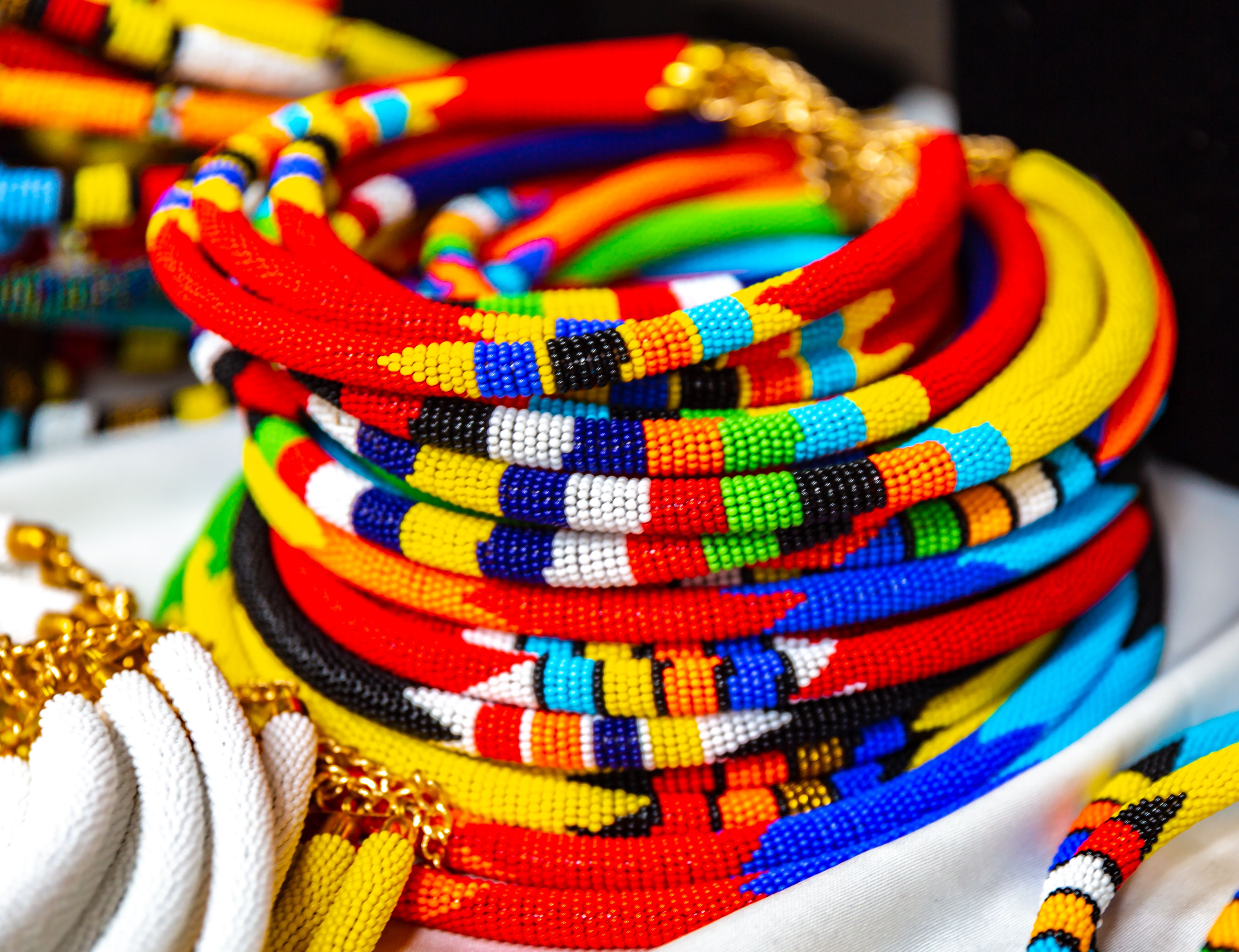
In many South African cultures, necklaces are crafted from materials that are locally available, such as beads, shells, and metals. Each material carries its own significance and often reflects the natural environment of a region. For example, beadwork is a prominent feature in Zulu and Xhosa communities, where intricate patterns and colors are used to convey messages and traditions.
The Role of Necklaces in Tribal Identity
Necklaces play a crucial role in tribal identity, often indicating the wearer's social status, marital status, or tribal affiliation. In the Zulu culture, specific bead patterns and colors are used to communicate messages, including courtship and family ties. These necklaces are more than just decorative; they are a language of their own.
Similarly, the Xhosa people use necklaces to signify various stages of life and rites of passage. Young women often wear beaded necklaces during initiation ceremonies, symbolizing their transition into adulthood. These pieces are cherished and passed down through generations, maintaining a connection to their ancestors.
Symbolism and Spiritual Significance
Beyond their physical beauty, necklaces in South Africa also hold deep spiritual significance. Many cultures believe that certain materials have protective properties. For instance, necklaces made from specific stones or metals are thought to ward off evil spirits or bring good fortune to the wearer.

In some communities, necklaces are used in rituals and ceremonies to honor ancestors and deities. These pieces are often richly decorated and imbued with symbolic meaning, reflecting the spiritual beliefs of the community. Wearing such necklaces is seen as a way to connect with the spiritual realm and garner blessings.
Modern Adaptations and Global Influence
In contemporary times, South African necklaces have gained international recognition, influencing fashion trends around the world. Designers incorporate traditional elements into modern pieces, creating a fusion of styles that resonate with a global audience. This has not only preserved the cultural heritage but also introduced it to new generations and markets.
The export of South African jewelry has also opened up economic opportunities for local artisans, allowing them to share their craft and culture on a broader scale. This exchange fosters cross-cultural appreciation and understanding, enhancing the global tapestry of fashion and art.

Conclusion
Necklaces in South Africa are much more than simple ornaments; they are a testament to the rich cultural diversity and heritage of the region. They encapsulate stories, beliefs, and histories that are integral to the identity of various communities. As these traditions continue to evolve, the significance of necklaces remains a vibrant and enduring part of South African culture, connecting the past with the present and the local with the global.