
How to Spot Authentic Jewelry: A Buyer’s Guide


Understanding Jewelry Materials
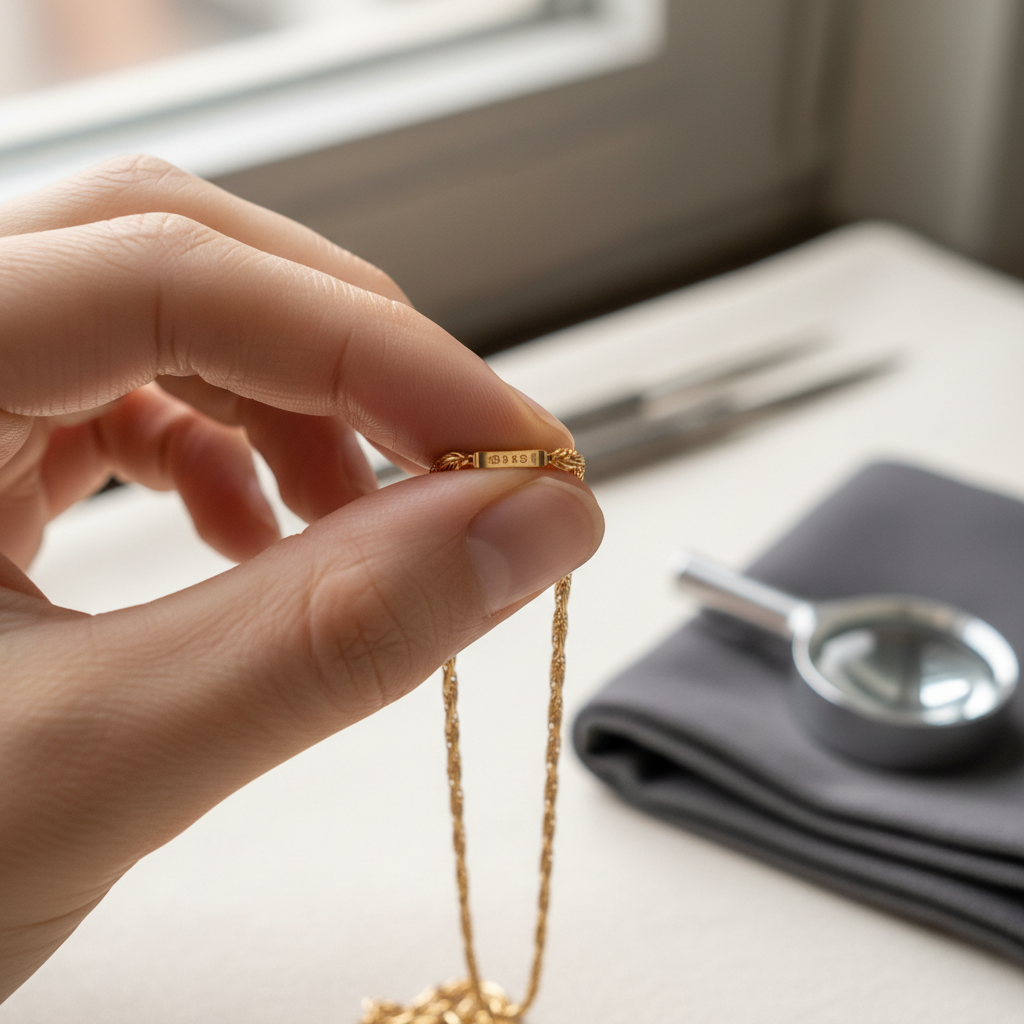
When it comes to buying jewelry, the material is one of the first indicators of authenticity. Genuine jewelry is often made from precious metals such as gold, silver, or platinum. These metals have specific qualities that make them valuable and long-lasting. For example, real gold does not tarnish, and genuine silver will not have a magnetic reaction.
Look for hallmarks or stamps on the jewelry, which indicate authenticity. Common stamps include "925" for sterling silver and "750" for 18k gold. Additionally, a simple magnet test can help you determine if a piece is made from authentic metals.
Inspecting Gemstones
Gemstones are another significant component of many jewelry pieces. To spot authentic gemstones, consider their clarity, color, and cut. Real gemstones often have slight imperfections, known as inclusions, which are natural and add to their uniqueness. If a gemstone appears too perfect, it might be synthetic or imitation.
Use a jeweler's loupe to examine the stone closely. Authentic gemstones will often have a certain weight and feel that synthetic stones lack. If in doubt, consult with a professional gemologist for a thorough evaluation.

Evaluating Craftsmanship and Design
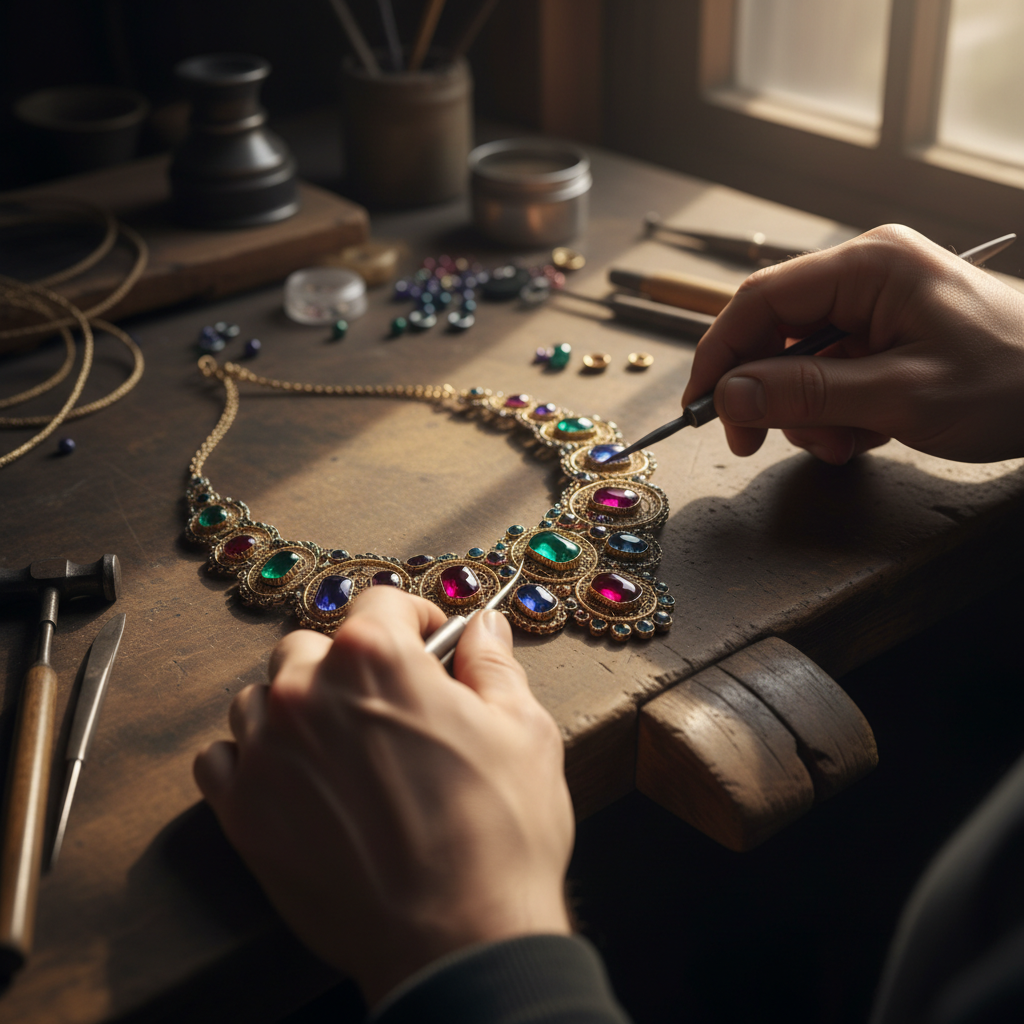
Authentic jewelry is crafted with precision and attention to detail. Examine the piece for any irregularities in design, such as uneven edges, poorly set stones, or mismatched components. A well-crafted piece will have smooth edges and securely set gemstones.
Consider the brand and designer reputation as well. Renowned jewelry brands maintain strict quality standards, and their pieces often come with certificates of authenticity. Familiarize yourself with the signature styles and marks of prestigious designers to better assess authenticity.
Researching the Seller
Before making a purchase, research the seller thoroughly. Reputable jewelers and retailers will have positive reviews and transparent policies. Avoid deals that seem too good to be true, as they often indicate counterfeit products.
Check for return policies and authenticity guarantees. Reliable sellers will offer these assurances and be willing to provide detailed information about the jewelry's origin and materials.
Price Considerations
Price can also be an indicator of authenticity. Genuine jewelry made from precious metals and gemstones will have a higher price point due to the value and quality of materials. Be wary of prices that are significantly lower than the market average, as they may suggest imitation or fake items.
Compare prices from different sources to get a sense of the market value. Doing so will help you make an informed decision and avoid overpaying for counterfeit jewelry.
Seeking Professional Advice
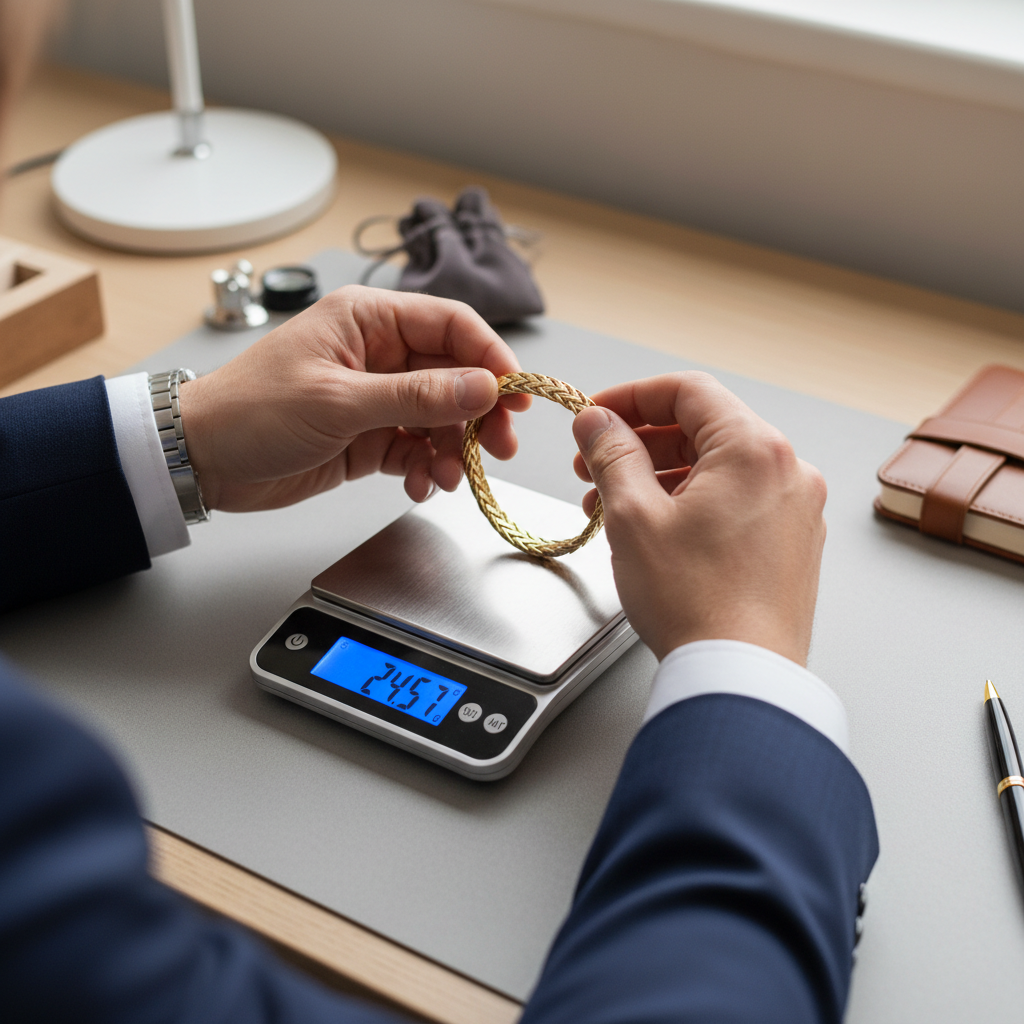
If you’re still uncertain about a piece of jewelry, seek professional advice. Certified jewelers and appraisers can provide expert evaluations, ensuring that you make a wise investment.
Don't hesitate to ask questions and request documentation. A trustworthy dealer will be more than willing to provide the necessary information to confirm authenticity.