
How to Spot Quality Jewellery: A Buyer’s Guide


Understanding the Basics
When purchasing jewellery, it's essential to understand the fundamentals that define quality. While aesthetics play a significant role, the true value lies in the craftsmanship and materials used. Knowing what to look for can help you make an informed decision and ensure your investment is worthwhile.
First, consider the materials. Genuine gold, silver, and platinum are hallmarks of quality jewellery. Look for hallmarks or stamps that indicate the metal type and purity. For example, gold jewellery should have a karat mark, such as 14K or 18K, indicating its purity.
Evaluating Gemstones
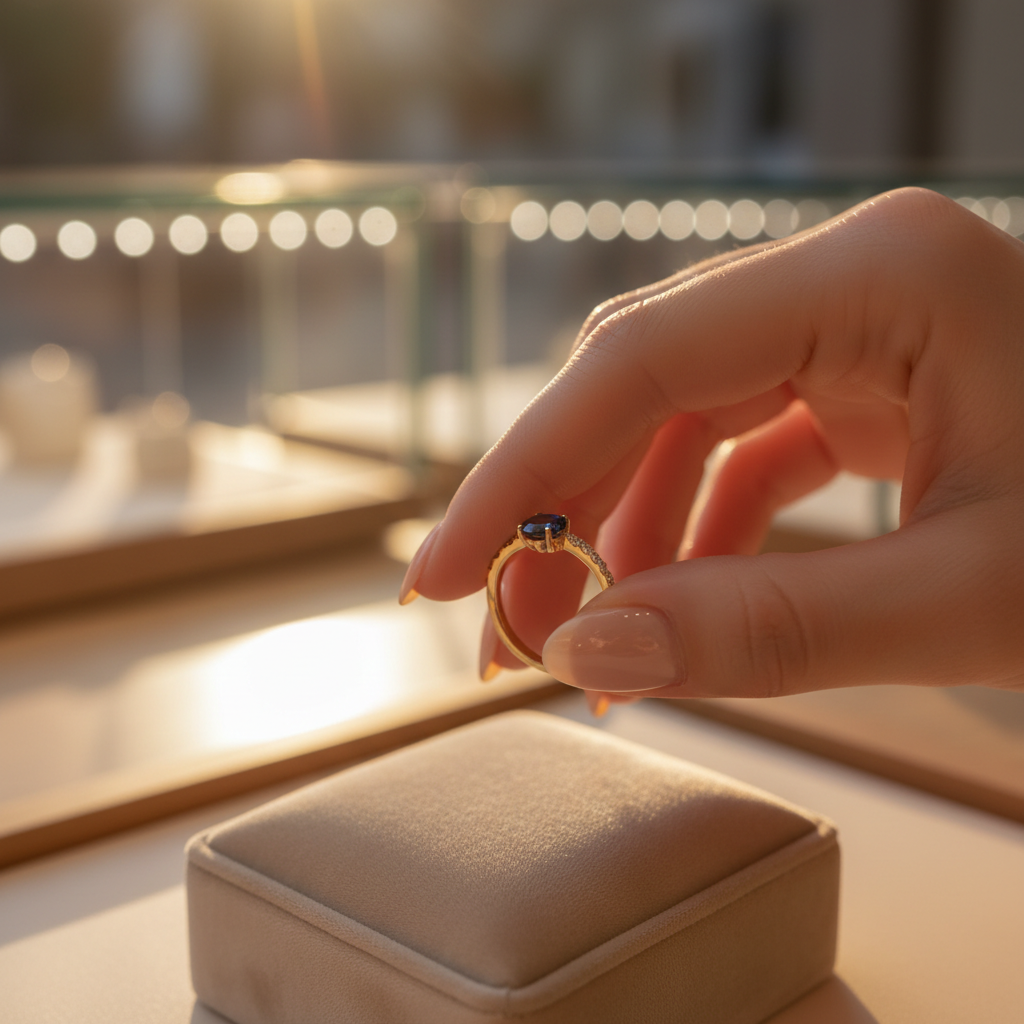
Gemstones are often the focal point of fine jewellery, and their quality can significantly impact the piece's value. The "Four Cs"—cut, color, clarity, and carat weight—are the standard for evaluating gemstones. The cut affects how the stone reflects light, while the color should be vivid and consistent. Clarity refers to the presence of any inclusions or blemishes, and carat weight measures the stone's size.
Always ask for a certificate of authenticity from a reputable gemological laboratory. This document provides an unbiased assessment of the gemstone's quality and can be crucial for insurance purposes.

Inspecting Craftsmanship
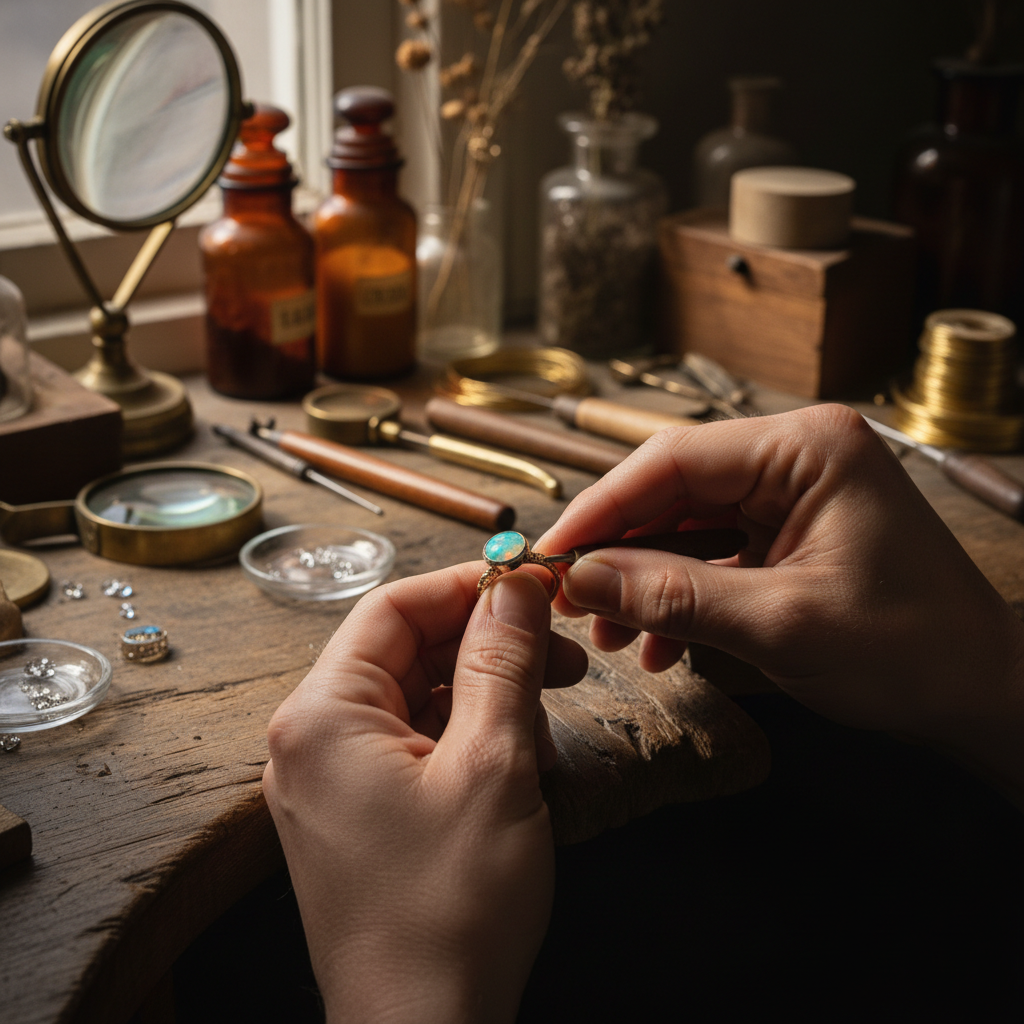
High-quality jewellery showcases expert craftsmanship. Examine the piece for symmetry and uniformity. The settings should securely hold gemstones without any visible gaps or misalignment. Check the clasps and fastenings for durability and ease of use. If the piece includes intricate designs, ensure that the details are sharp and well-defined.
Handmade jewellery often indicates superior craftsmanship, as each piece is crafted with attention to detail. However, machine-made jewellery can also be of high quality if produced by reputable manufacturers.
Considering the Brand and Reputation
A well-known brand can often be a sign of quality, as established jewellers typically adhere to high standards. Research the brand's history and reputation in the market. Customer reviews and expert opinions can provide insights into the brand's reliability and the longevity of their pieces.
However, don't discount emerging designers who may offer unique, high-quality pieces at competitive prices. Their work can be a great addition to any collection, providing both value and exclusivity.
Understanding the Price
While a higher price often indicates better quality, it's crucial to ensure you're getting value for your money. Compare prices with similar pieces from different sellers and consider the materials, craftsmanship, and brand reputation. Sometimes, a premium price is justified by exceptional design or rare materials.
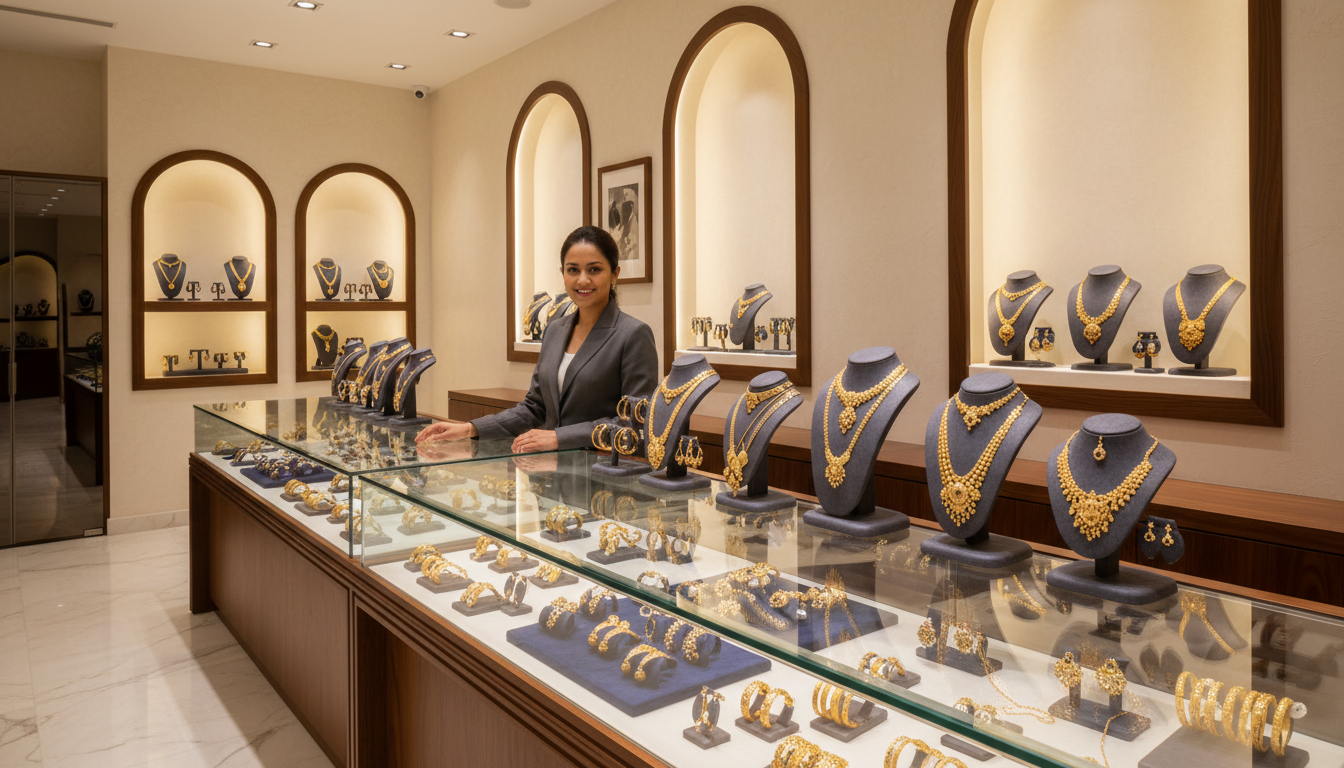
Be wary of deals that seem too good to be true, as they may indicate counterfeit or low-quality items. Purchasing from reputable retailers and requesting detailed receipts can safeguard your investment.
Conclusion
Spotting quality jewellery involves a keen eye for detail, understanding materials and design, and trusting reputable sources. By considering these factors, you can confidently purchase pieces that not only meet your aesthetic preferences but also offer lasting value. Whether you're buying for yourself or as a gift, investing in quality jewellery is a rewarding experience that can be cherished for generations.