
Jewellery Myths Debunked: What You Really Need to Know


The Truth About Diamonds
One of the most pervasive myths about diamonds is that they are indestructible. While diamonds are the hardest natural material, they can still chip or break under the right conditions. It's important to handle them with care to maintain their beauty and integrity.
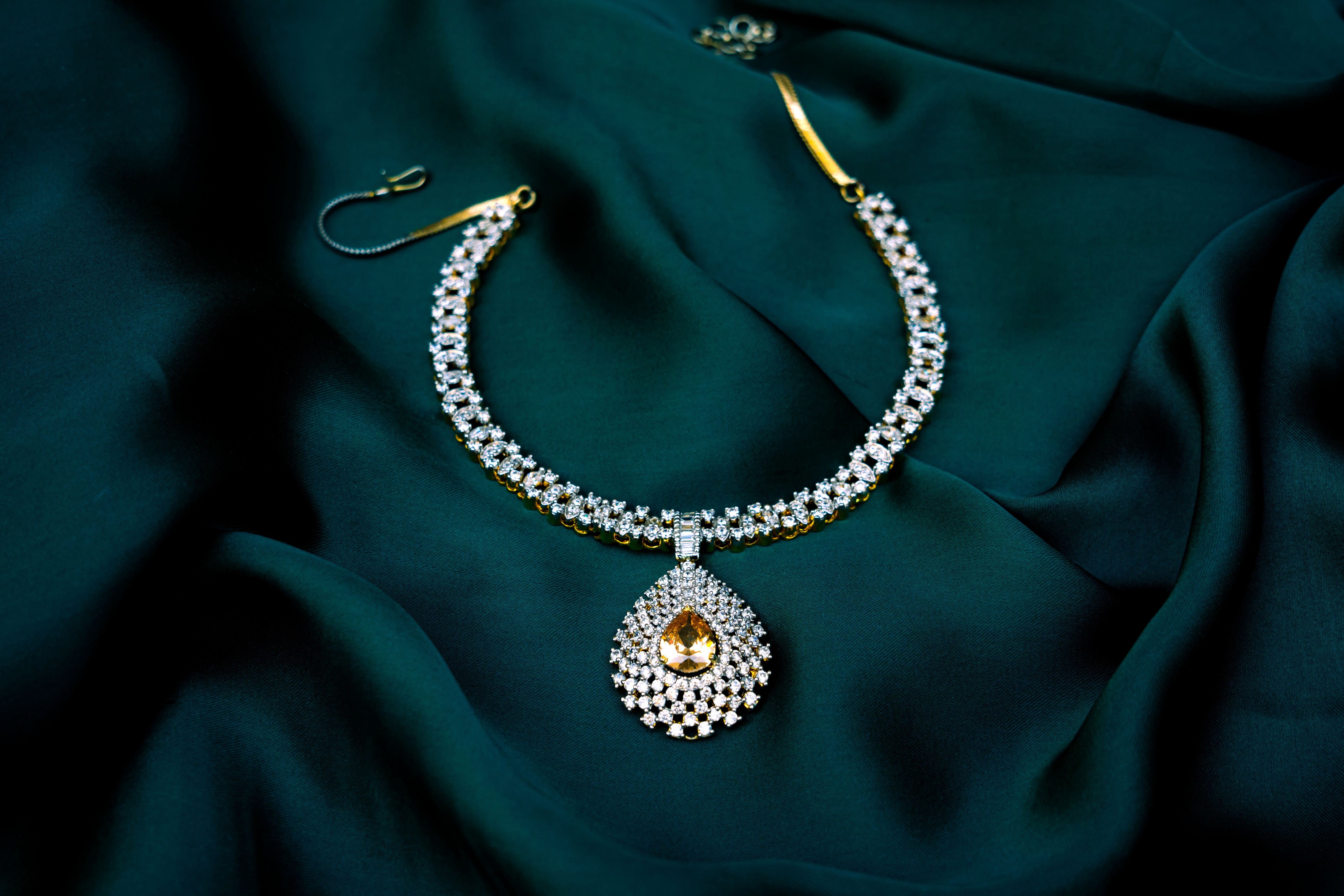
Another common misconception is that all diamonds are flawless. In reality, most diamonds have some degree of imperfection, known as inclusions. These are natural and often require a magnifying glass to be seen. The key is to choose a diamond with a clarity grade that meets your personal standards and budget.
The Misunderstanding of Gold Purity
Many people believe that pure gold is the best choice for jewelry. However, pure gold, or 24-karat gold, is quite soft and prone to scratching. This is why most gold jewelry is made with a mixture of metals, resulting in 18-karat or 14-karat gold, which is more durable and suitable for everyday wear.
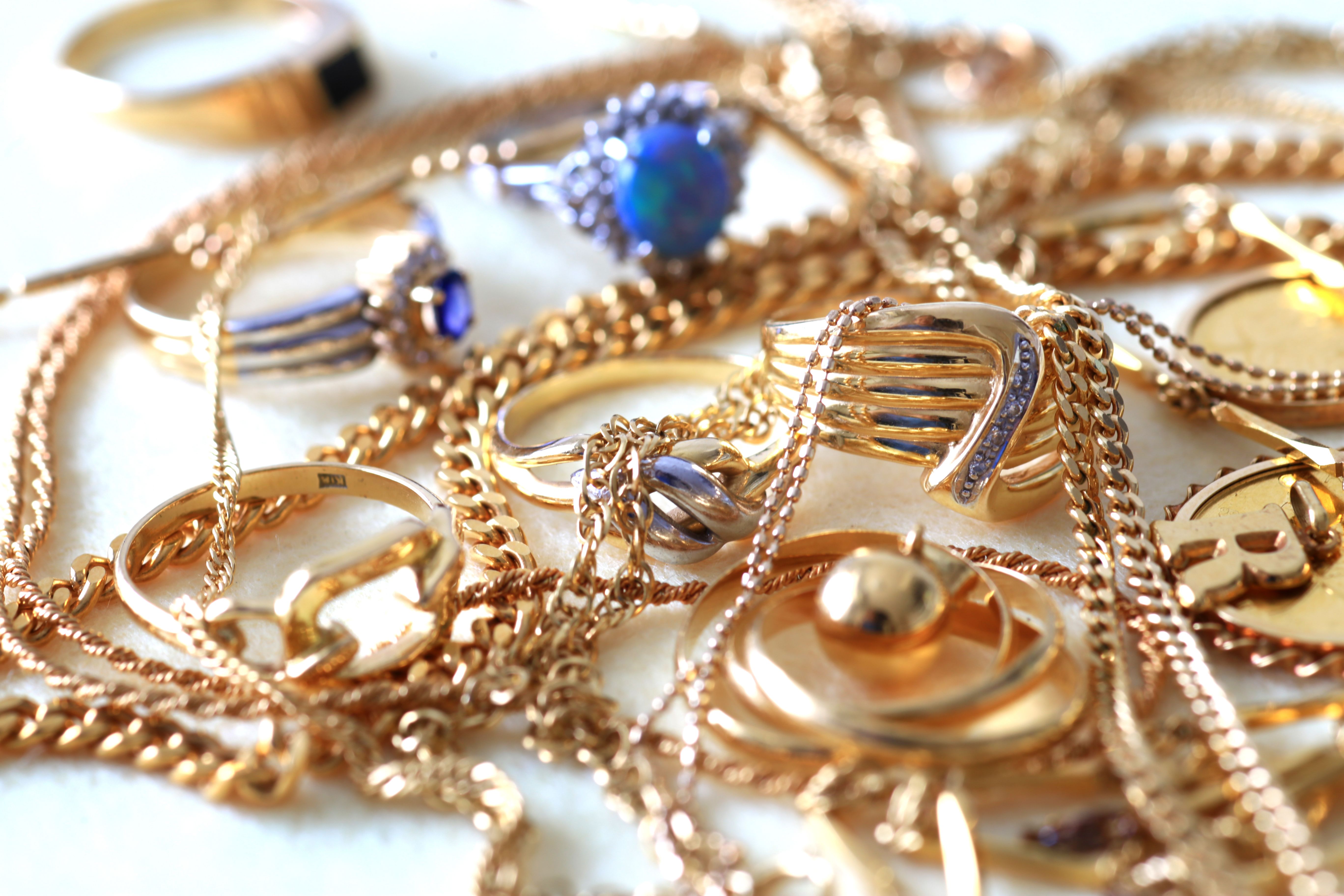
Furthermore, the misconception that gold jewelry causes allergies is widespread. In fact, allergic reactions are usually due to nickel or other metals mixed with gold, not the gold itself. Opting for higher karat gold or nickel-free alloys can help prevent these issues.
Silver Tarnish Myths
There’s a myth that silver jewelry tarnishes because it's low quality. In reality, silver naturally reacts with sulfur in the air, leading to tarnish over time. This doesn’t indicate poor quality and can be easily cleaned with appropriate methods.

Another misunderstanding is that wearing silver jewelry will prevent tarnishing. While regular wear can slow the process due to friction, it won’t completely stop it. Proper storage and regular cleaning are essential to maintaining silver's shine.
Pearl Care Misconceptions
Many people think pearls are fragile and should be stored away. While pearls do require gentle care, especially avoiding exposure to chemicals and extreme temperatures, wearing them often can actually help maintain their luster due to the natural oils in the skin.
There's also a belief that all pearls are naturally occurring. However, the majority of pearls on the market today are cultured, meaning they are farmed and harvested under controlled conditions. This process allows for a more sustainable and accessible pearl market.