
Unveiling the History: Jewellery Worn by Kings Through the Ages


The allure of jewellery has dazzled humanity for centuries, often serving as a symbol of power and prestige. Kings, in particular, have adorned themselves with magnificent pieces that not only highlighted their status but also told stories of their reign. Let's delve into the fascinating history of jewellery worn by kings through the ages.
The Ancient World: Egyptian Pharaohs
In ancient Egypt, pharaohs were considered demigods, and their jewellery reflected this divine status. Gold was the material of choice, symbolizing eternity and the sun god Ra. Intricate necklaces and bracelets adorned with lapis lazuli, turquoise, and carnelian were common. The iconic headdresses, such as the nemes crown, often featured a cobra, symbolizing protection and sovereignty.
Significance of Amulets
Amulets played a critical role in ancient Egyptian jewellery. These pieces were believed to possess magical properties, offering protection and good fortune. Scarab beetles and the ankh were popular motifs, serving both decorative and spiritual purposes. Kings often wore these amulets in life and death, ensuring safe passage to the afterlife.
Medieval Europe: The Age of Chivalry
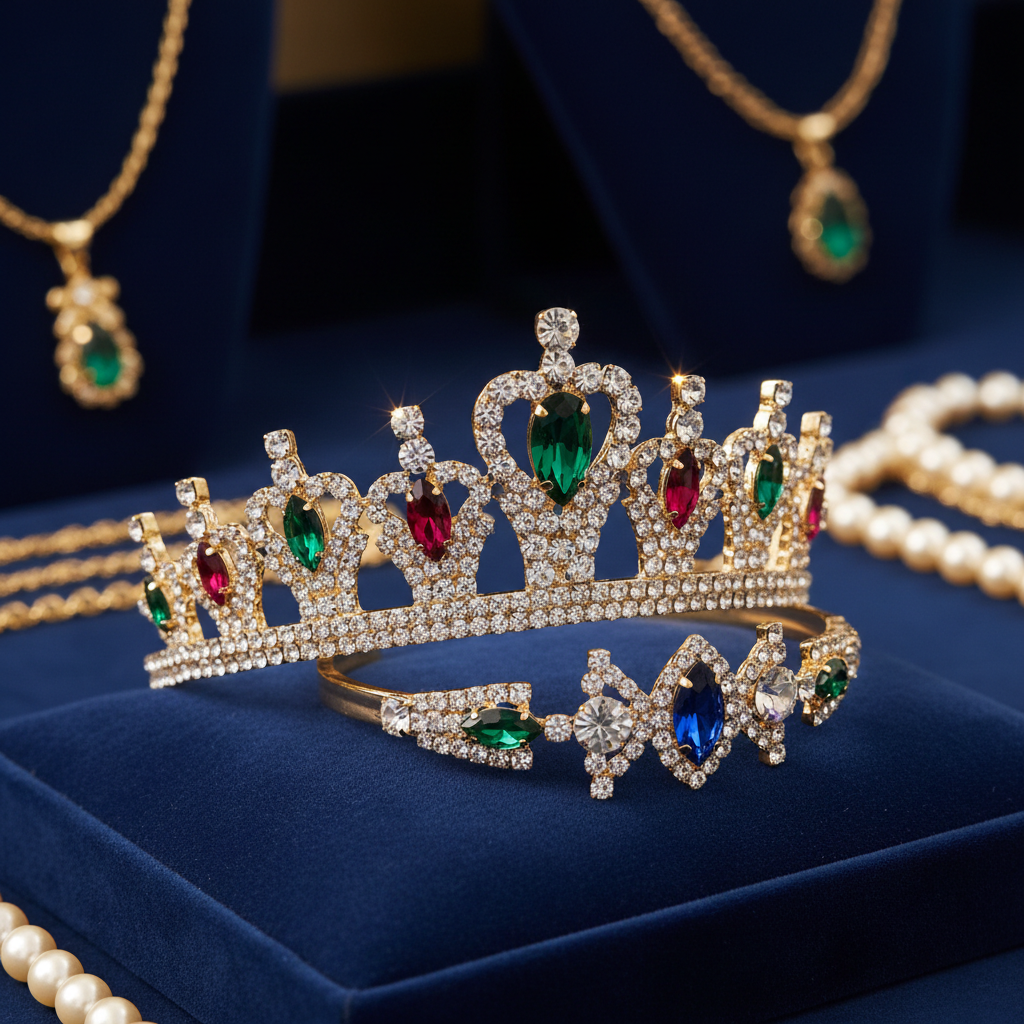
During the medieval era, European kings wore jewellery that signified their noble lineage and Christian faith. Crowns, scepters, and rings were adorned with gemstones like sapphires, rubies, and emeralds, believed to have protective powers. The use of heraldic symbols was prevalent, with each piece telling a story of the king’s heritage and accomplishments.
The Role of Gemstones
Gemstones were more than mere decoration; they were thought to hold mystical properties. Rubies symbolized courage, diamonds represented invincibility, and sapphires were linked to wisdom. Kings often wore these stones to convey their virtues and divine right to rule, solidifying their place in the social hierarchy.
The Renaissance: A Flourish of Artistry
The Renaissance marked a period of revival in art and culture, and jewellery design flourished. Kings embraced intricate designs and new techniques, such as enameling and gemstone cutting. Pieces became more elaborate, reflecting the era's artistic innovation and the king's patronage of the arts.
Symbolism and Power
Jewellery during the Renaissance often carried symbolic meanings. For example, the fleur-de-lis was a common motif in French royal jewellery, representing purity and the divine right of kings. Portrait miniatures set in jewellery also became popular, serving as keepsakes and political statements.
The Modern Era: Continuity and Change
In the modern era, kings continue to wear jewellery that honors tradition while embracing contemporary styles. Monarchs like Queen Elizabeth II have displayed spectacular collections of crowns, necklaces, and brooches, each piece steeped in history.
Contemporary Significance
While the materials and designs may have evolved, the fundamental purpose of royal jewellery remains unchanged. These pieces continue to symbolize authority, heritage, and the continuity of the monarchy, serving as a bridge between past and present.
The history of jewellery worn by kings is a testament to the enduring power of these precious adornments. As symbols of status, protection, and artistry, these pieces continue to fascinate and inspire, offering a window into the lives and legacies of those who wore them.